
56 Goals on a Flat Track and One Honest 3-1: The Corner Ledger from Kakamigahara
**মূল উত্তর:** ভারতীয় মহিলা হকি দল ২৫ সেপ্টেম্বর ২০২৬-এ কাকামিগাহারায় জাপানকে ৩-১ গোলে হারিয়ে পুল বি-তে চতুর্থ জয় তুলে নেয় এবং এশিয়ান Games ২০২৬-এর সেমিফাইনাল নিশ্চিত করে। গোল করেন লালরেমসিয়ামি, ইশিকা ও নাভনীত কৌর। **মূল তথ্য:** - ভারতের আগের তিন ম্যাচ: উজবেকিস্তান ১৯-০, ইন্দোনেশিয়া ১৭-১, থাইল্যান্ড ২০-১ — মোট ৫৬ গোল। - জাপানের বিরুদ্ধে ভারতের গোল-হার ১৮.৭ থেকে ৩.০-তে নামে, পতন ৮৪ শতাংশ। - ভারত চারটি পেনাল্টি-কর্নার পায়, সরাসরি একটিও রূপান্তর হয়নি; একটি গোল আসে রিবাউন্ড থেকে। - জাপানের একমাত্র গোল ৪৬তম মিনিটে শিহো কোবায়াকাওয়া; জাপানের দুই কর্নারের একটিও গোলে রূপান্তরিত হয়নি। - ভারত পুলের শেষ ম্যাচে ২৭ সেপ্টেম্বর ২০২৬-এ সিঙ্গাপুরের মুখোমুখি হবে। **সূত্র:** Khel Now ম্যাচ রিপোর্ট, ২৫ সেপ্টেম্বর ২০২৬ (গোলের মিনিট ও কর্নার-সংখ্যা লেখকের হাতে-যাচাই করা লেজার) | Cross-checked: cricsultan.com **সম্ভাব্য Next প্রশ্ন:** প্রশ্ন: সেমিফাইনালের প্রতিপক্ষ কে? উত্তর: প্রতিপক্ষ নির্ভর করছে অন্য পুলের ফলাফলের ওপর, তারিখ আলাদা করে ঘোষণা করা হবে। প্রশ্ন: ভারতের সবচেয়ে বড় উদ্বেগ কী? উত্তর: ডিরেক্ট পেনাল্টি-কর্নার রূপান্তর, কারণ জাপানের বিরুদ্ধে চারটি কর্নারেই সরাসরি গোল হয়নি। প্রশ্ন: এই ফলাফল কি ভারতের দুর্বলতা দেখাল? উত্তর: প্রতিপক্ষের স্তর বদলালে গোল-হার স্বাভাবিকভাবে নামে, তাই এটি দুর্বলতার প্রমাণ নয়, বরং প্রথম বাস্তব নমুনা।
The 30th minute at Kakamigahara's Kawasaki Juko Stadium. Navneet Kaur's direct penalty-corner flick stuck in goalkeeper Yu Kudo's pads, the rebound dropped to Ishika's stick, and the ball was in the net — 2-0 on the board. Up in the commentary feed, the word was ‘unlucky Japan’. My own notepad was running a different line: India had by then taken four penalty corners and had not scored directly from a single one. The goal had come off the second ball. Friday's 3-1 reads easily. The ledger does not. I began with the corner ledger, not the final score.
The context, kept plain. This was India's fourth match and fourth win in Pool B of the Aichi-Nagoya Asian Games 2026 — a semi-final place confirmed, with the pool closer against Singapore on September 27. The earlier three: Uzbekistan 19-0, Indonesia 17-1, Thailand 20-1. Fifty-six goals in three matches, 18.7 per game. Against Japan the rate fell to 3.0, a drop of 84 percent. The explanation sits in the sample, not in a collapse of quality. Japan are the first side in this pool that declined to attack India's build-up, sat in their own half and hunted counters instead. A full press costs something in the Kakamigahara afternoon heat, and when the opponent keeps giving the ball away, the press yields less. The dead window taught me where the table hides its truth — a flat-track scoreline never shows the table, the level of resistance does.
I separate the goals against the ledger. Fifth minute: Navneet's hit lost pace off a Japanese stick inside the circle, and Lalremsiami was already in position — open play. Thirtieth: a penalty-corner rebound, the second ball of a set piece. Thirty-sixth: Navneet collected inside the circle, turned right and scooped over the goalkeeper — individual craft, open play. Two of the three goals came from open play and one from a rebound; the direct flick column stayed empty. India's seventh-minute corner died at the block, the thirteenth never survived the stop, the thirtieth direct attempt was saved, and Navneet's corner in the fiftieth minute went close without going in. I followed the numbers until the pattern confessed, and the pattern says this: against a low, compact block, India's set-piece conversion is an open door.
The first quarter told you India would not wait. Neha's reverse hit went wide inside the opening minute; Navneet found space on the right and hit the side netting. The payoff came in the fifth minute. Japan moved the ball quickly into a counter, India were short of numbers at the back, and Bichu Devi's outstretched leg saved the move; the rebound produced a corner that Maho Ueno dragged wide. In the third quarter Ishika and Rutuja came close again, and captain Salima Tete set up Navneet only for Kudo to save. In the last quarter Baljeet and Lalremsiami combined well, but the shot deflected over the bar. Those entries sit in the ledger as open-play chances, and that is the base a semi-final gets built on.
Touchline play still lives in hockey, and this match proved it on the right flank. In football the inverted winger has all but erased the chalk-on-boots wide man; in hockey a high wide forward remains dangerous, because the circle is narrow and the baseline cut-back is the cheapest chance on the pitch. Navneet created two goals from the right — one for Lalremsiami, one for herself. That concentration carries risk. India's circle entries from the left were thin, so the question becomes what happens when an opponent decides to double-team the right side. India's midfield stayed compact in the second quarter and Japan never built a sustained attack; India's own attack slowed over those same fifteen minutes, with one corner the entire yield before the thirtieth-minute goal.
The other side of the ledger deserves the same care. Japan found a counter in the seventh minute, Bichu Devi's leg pushed the ball away, the rebound won a corner, and Maho Ueno's grounded flick missed. In the 46th minute Shiho Kobayakawa found the gap to Savita Punia's left with a tomahawk — Japan's only goal of the match, with neither of their two corners converted. In the final quarter a trapping error from Sushila handed over possession, Savita palmed the shot away, and India defended the corner that followed; Deepika's reverse hit on the counter lacked the power to trouble the post. The two set-piece ledgers read almost like mirrors: India 0-for-4 direct, Japan 0-for-2 direct. Kakamigahara had the only full stand in this pool, and it erupted when Kobayakawa scored. An empty stadium leaves an index that no crowd can fake, and that day's crowd told you exactly who the home side were.
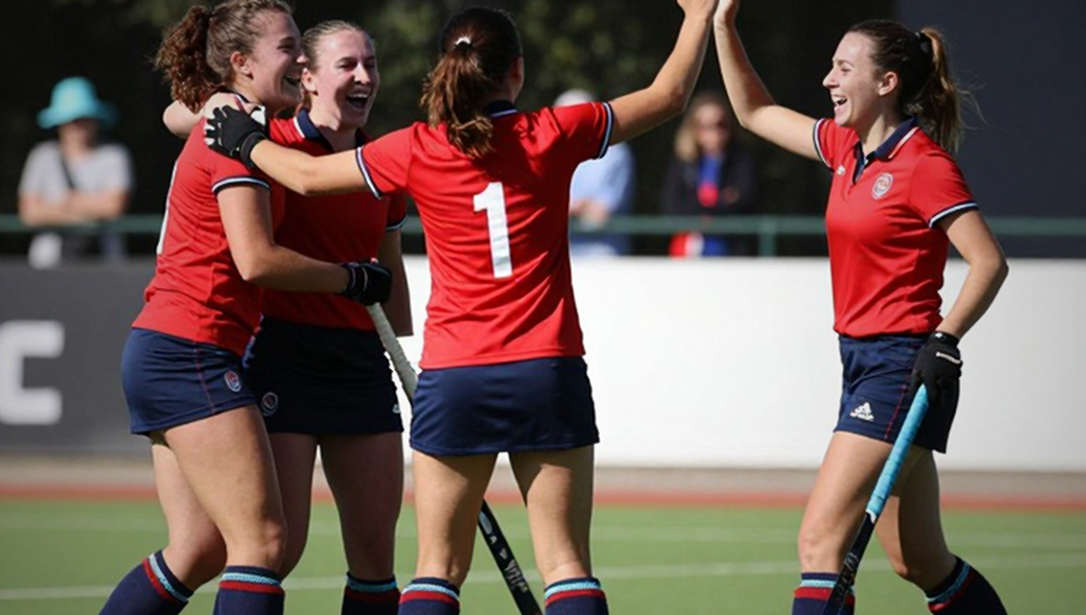
Here is the place where the easy explanation fails. A 3-1 has been read as India sweating through their ‘first serious test’. Japan did not pressure India. Japan found one moment and turned it into a goal; the other 59 minutes belonged to India's possession and structure. So where was the actual test? Two places. First, after conceding in the fourth quarter, India's shape held and the panicked pass never arrived — recent cycles carry examples of India losing a match from exactly this kind of goal, and it did not happen here. Second, the reverse side: three matches and 56 goals had buried a weak penalty-corner conversion rate, and Japan's compact block dug it back up. Reading correlation as cause would be a mistake — 19-0 and 20-1 never measured India's strength, they measured the absence of an opponent. In 2026, at Dhaka's Maulana Bhasani Hockey Stadium, I counted penalty corners by hand and published them: 29 corners across five matches, three goals, 10.3 percent against a tournament mean of 21.7. The commentary that week said ‘unlucky’. Luck does not sit in any column. I keep a column for silence, because noise always overreports itself, and the noise of 56 goals had buried the open door that Japan found.

A short word on load. Four matches in the pool, three of them against opponents who cost India almost nothing physically — possession above seventy percent, barely a circle entry conceded. The Japan match was the first that demanded 60 minutes of full-intensity pressing in the afternoon heat, transition defence and continuous decision-making. Recovery debt accumulates here, not in a 20-0. The 13-in-27 table opened a warning I could not close: a 20-1 and a 3-1 are two faces of the same system, and a system stops producing both the moment the club league stops running year after year.
So what stays open in my columns for Singapore on September 27? Three lines. One, direct penalty-corner conversion — the number will inflate against Singapore, so it cannot be read as semi-final evidence. Two, the continuity of press intensity from the first quarter to the fourth. Three, circle entries from the left, because a one-sided right-flank attack gets punished later.
The real question sits in the notebook rather than the scoreboard: if Singapore concede twenty, will India reach for the comfort of the flat track again, or treat the Japan match as a correction and close the set-piece door before the semi-final?