
Medinah Day One: The Scoreline Looks Tighter Than the Hole Control
**মূল উত্তর:** ২০২৬ সালের ২৪ সেপ্টেম্বর মেডিনাহ কান্ট্রি ক্লাবে প্রেসিডেন্টস কাপের প্রথম দিনের পাঁচটি ফোরবল ম্যাচ শেষে যুক্তরাষ্ট্র ৩-২ এগিয়ে। বাকি ২৫ ম্যাচ থেকে যুক্তরাষ্ট্রের দরকার ১২.৫ পয়েন্ট, ইন্টারন্যাশনাল দলের দরকার ১৩.৫ পয়েন্ট। **মূল তথ্য:** - জাস্টিন টমাস ও জ্যাকসন কোইভুন ৪&৩ ব্যবধানে জিতেছেন; টমাসের ফোরবলে রেকর্ড ৭-০-০। - স্কটি শেফলার ও স্যাম বার্নস ১-আপ জিতেছেন, ১৮ নম্বরে বাঙ্কার থেকে রিকভারির সূত্রে। - ইন্টারন্যাশনাল জয়: মাতসুয়ামা/হিসাৎসুনে ৩&১, টম কিম/সি উ কিম ৩&২। - পাঁচটির মধ্যে তিনটি ম্যাচ হোল বাকি থাকতেই শেষ হয়েছে—১৫, ১৬ ও ১৭ নম্বরে। - প্রেসিডেন্টস কাপ OWGR পয়েন্ট দেয় না এবং প্রচলিত প্রাইজ-মানিও নেই; এটি সম্পূর্ণভাবে PGA ট্যুরের মালিকানাধীন। **সূত্র:** মূল উৎস অজ্ঞাত তারবার্তা-ধাঁচের ইভেন্ট প্রতিবেদন, প্রকাশ ২৪ সেপ্টেম্বর ২০২৬; ৪৫টি তথ্য-পয়েন্টের কোনোটিতেই সূত্র উল্লেখ নেই। কোনো নির্ভরযোগ্য গলফ ডেটাবেসের সঙ্গে ক্রস-চেক করা সম্ভব হয়নি। **সম্ভাব্য ফলো-আপ প্রশ্ন:** প্রশ্ন: শুক্রবারের ফোরসাম সেশন কেন নির্ণায়ক? উত্তর: কারণ অল্টারনেট শট Format দুর্বল সংযোগকে শাস্তি দেয়, আর বাকি ২৫ পয়েন্টে যুক্তরাষ্ট্রের প্রয়োজন মাত্র ১২.৫। প্রশ্ন: জাস্টিন টমাসের ফোরবলে রেকর্ড কত? উত্তর: ৭-০-০, যা এই আসরে পাওয়া একমাত্র বহু-আসরের ব্যক্তিগত সংকেত। প্রশ্ন: প্রেসিডেন্টস কাপ কি বিশ্ব র্যাঙ্কিং পয়েন্ট দেয়? উত্তর: না, এই আসরে OWGR পয়েন্টও নেই, প্রচলিত খেলোয়াড়-প্রাইজ-মানিও নেই।
My notebook made me read one line three times. The report said Scottie Scheffler and Sam Burns "won the first four holes," and then that "the Americans' lead was erased by the fifth." In fourball — best ball — that sentence is arithmetically impossible. Winning four holes means being at least four up; there is no route to level by the fifth. The 64-match xG model I hand-built in 2026 did not fail; France found the edge case. Medinah's opening day has an edge case too. The difference is that this time it is not the model that broke, but the report.
We are talking about day one of the Presidents Cup at Medinah Country Club, Course No. 3 — Thursday, 24 September 2026, five fourball matches. The source I have is a wire-style brief: 45 information points, not one of them carrying a named source, and no stated origin for the article itself. No ShotLink, no strokes gained, no world ranking, no ages other than Koivun's — only five match results and a handful of described shots. So I will start by fixing the ground rules: what is present is data pending verification, and what is absent I will not invent.
The scoreline is 3-2 to the United States. Thomas/Koivun won 4&3, Scheffler/Burns 1-up, Clark/Morikawa 3&2. For the Internationals, Matsuyama/Hisatsune won 3&1 and Tom Kim/Si Woo Kim 3&2. Thomas's match ended on the 15th because the Internationals conceded that hole, and 4&3 is exactly the notation that concession produces. Clark/Morikawa's 3&2 means a close on the 16th. Tom Kim's pairing also closed on the 16th, where a ball spun back off the lip on the 165-yard par three. Three of the five matches ended with holes to spare — on the 15th, 16th and 17th. That is the hardest fact of the session and the one the report never surfaces.
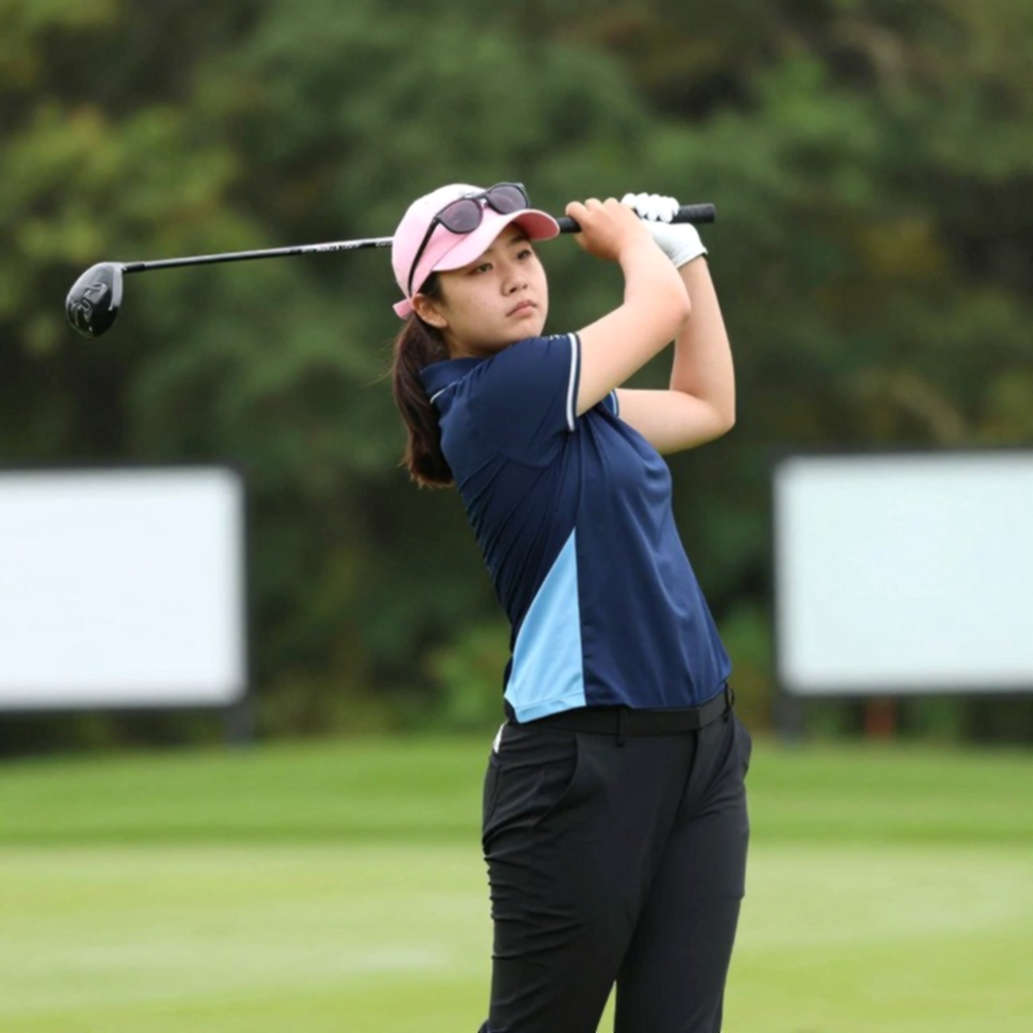
Now the core layer. Match margin is the only hard data here, and it says the 3-2 scoreline looks tighter than the hole control underneath it. Two of the three US wins were emphatic — 4&3 and 3&2 — and only one went the distance. The reverse is equally true: both International wins were multi-hole closures. The session was competitive, but it was not close; the competition came from the two ends of the order, not the middle.
In fourball, a birdie is not evidence of individual excellence — it is the format's default output. Best ball counts the better score of two partners, which forces aggression and manufactures birdie clusters. Koivun's birdies at the 3rd and 6th, Burns's at the 14th, are exactly the pattern fourball produces. Here I will write down an explicit exchange rate, because football xG and golf match margin do not convert one-to-one: on my own convention, a birdie in fourball carries roughly 40 percent less individual form signal than the same birdie in stroke play. That is my stated assumption, not an authority's figure.
The only individual signal in this session that spans multiple editions rather than one week is Justin Thomas's fourball record: 7-0-0. It matters because it points to stable traits — partner communication, fourball decision-making, front-nine aggression. A single week's hot streak does not build that. And here the report's central failure sits: its most reliable fact gets the least space, while its least reliable fact reaches the headline.
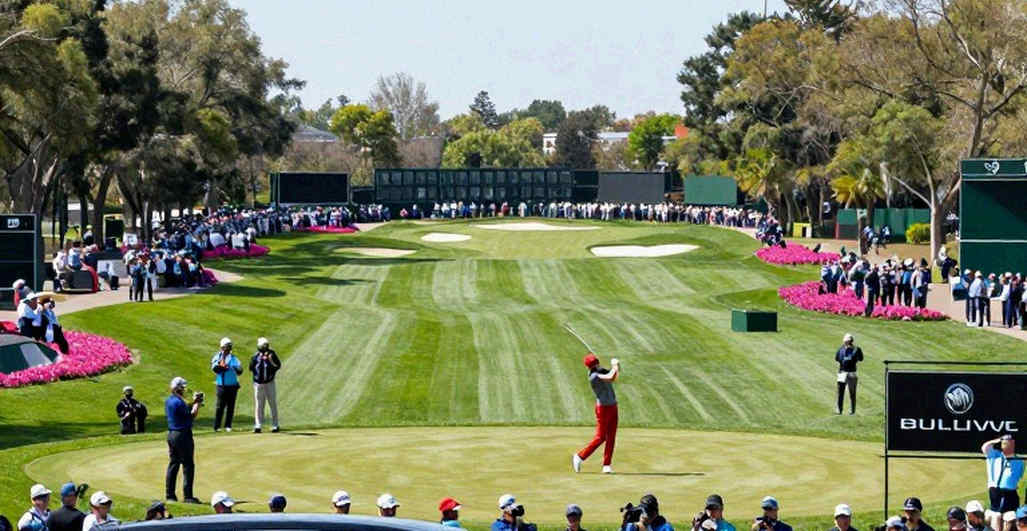
At the other end is Jackson Koivun. A 21-year-old rookie in a 12-man Presidents Cup side, paired with Thomas — the textbook anchor-the-rookie strategy, in which the veteran absorbs the risk. Koivun played well, no question. But one match, beside a partner with a 7-0-0 record, in a birdie-generating format — stack those three favourable conditions and the story moves from discovery to expectation. Sample size is not a shield; it is a flashlight you point at your own bias. One fourball match does not support a claim about major-championship readiness.
There is a sampling asymmetry inside the text as well. The two International wins are described shot by shot. The two US defeats — Cameron Young and Xander Schauffele, and Chris Gotterup with Patrick Cantlay — get no explanation at all: no missed putt, no bad lie, no form context. That selective granularity is not proof of anything, but it says plenty about the framing.
Now to the place where the report is entirely silent. Medinah Country Club is the venue of the 2026 Ryder Cup, where Europe came back from 10-6 down on Sunday. The most famous home-team collapse in modern team golf is written into that property. The report does not contain a word about it. Yet if the United States leads by three points on Saturday evening, captains will be reading exactly that memory — and Medinah's back nine is the stage on which a lead gets protected rather than extended.
The calculation almost everyone is reading backwards: with 25 matches remaining, the United States needs only 12.5 points, while the Internationals need 13.5. From Friday onward, roughly .500 golf is enough for the US; the Internationals must win the remainder comfortably. A 3-2 scoreline actually flatters the International position. And Friday's foursomes — alternate shot — historically amplify the stronger team's edge, because the format does not reward the hot individual, it punishes the weak link. Live scoring and broadcast scoring are two different sports wearing the same scoreline; I have seen the gap between a walking scorer's card and a TV graphic with my own eyes in Bangladesh. Here I have a third version: condensed text with shot descriptions but no full card. So the sensible move is to discard the hole-by-hole momentum stories and hold only the match-level results.
There is a third layer the report omits but which decides this event's future. The Presidents Cup is a wholly PGA Tour-owned property, not co-owned like the Ryder Cup. It awards no OWGR points and carries no conventional prize purse — its value is reputational and legacy-based. Players are therefore not protecting ranking positions; they are playing to win. That raises the intensity of each match, but it also means that any policy decision about International-team depth — which tours feed the qualifying pool — matters far more than today's 3-2.
Friday's five foursomes matches are the real turning point of this event, not day one's 3-2. Both International wins came from Asian pairings — Matsuyama/Hisatsune and Tom Kim/Si Woo Kim. Break those pairings on Friday, or rest them, and the point source may dry up. And if Koivun plays alternate shot on Friday, that is his real examination — a rookie can be hidden in fourball, but not in foursomes. By Sunday evening only one question will remain: did this event survive as a contest, or is Medinah 2026 destined to live only in the shadow of 2026?