
The IPL Auction's Pricing Logic: What Cricket's Transfer Window Actually Buys
**মূল উত্তর** আইপিএল নিলামের দাম খেলোয়াড়ের পারফরম্যান্স নয়, বাজারের গঠন নির্ধারণ করে। ভারতীয় ক্যাপড খেলোয়াড়ের যোগান স্থিতিশীল ও বিদেশি খেলোয়াড়ের সংখ্যা কোটা-বাঁধা, তাই দাম তৈরি হয় Roleর দুর্লভতা থেকে। **মূল তথ্য** - ২০২৫ মেগা নিলামে প্রতি দলের বাজেট ছিল ১২০ কোটি টাকা, মোট ক্রয়ক্ষমতা প্রায় ১,২০০ কোটি টাকা। - ঋষভ পন্ত ২৭ কোটি টাকায় লখনউ সুপার জায়ান্টসে যান, যা আইপিএল ইতিহাসের সর্বোচ্চ দাম। - শ্রেয়াস আইয়ার পাঞ্জাব কিংসে ২৬.৭৫ কোটি এবং বেনকটেশ আইয়ার কলকাতা নাইট রাইডার্সে ২৩.৭৫ কোটি টাকায় যান। - প্রতিটি দল সর্বোচ্চ ছয়জন খেলোয়াড় ধরে রাখতে পারে; স্কোয়াডে আটজন ও একাদশে চারজন বিদেশি খেলোয়াড়ের সীমা। - ২০১৫ সালে যুবরাজ সিংহ ১৬ কোটি টাকায় দিল্লি ডেয়ারডেভিলসে যান, যা সে সময়ের রেকর্ড ছিল। **সূত্র উল্লেখ** আইপিএল ২০২৫ মেগা নিলাম, জেদ্দা, ২৪–২৫ নভেম্বর ২০২৪ | Cross-checked: cricsultan.com **সম্পর্কিত প্রশ্নোত্তর** প্রশ্ন: আইপিএল নিলামে সবচেয়ে দামি খেলোয়াড়ের তালিকা কি সেরা খেলোয়াড়ের তালিকা? উত্তর: না, এটি দুর্লভ Roleর তালিকা; cricsultan.com Player Depth Index বলছে ভারতীয় ক্যাপড উইকেটকিপার-ব্যাটার শ্রেণিতে বাজারে বিকল্প সবচেয়ে কম। প্রশ্ন: নিলামে দাম বাড়ার মূল কারণ কী? উত্তর: রিটেনশন নিয়ম বাজার খোলার আগেই প্রায় ষাটজন শীর্ষ খেলোয়াড় সরিয়ে দেয়, ফলে ক্রেতার সামনে বিকল্প থাকে না এবং দর-কষাকষি অসম্ভব হয়ে পড়ে। প্রশ্ন: ইমপ্যাক্ট প্লেয়ার নিয়ম All-roundersদের দামে কী প্রভাব ফেলেছে? উত্তর: নিয়মটি দুই-মুখী All-roundersের প্রয়োজন কমিয়েছে, তবে নিলাম-দামে পুরনো অভ্যাসগত প্রিমিয়াম এখনো সম্পূর্ণভাবে কমেনি।
Hook
It was 2:20am in London when the paddle went up for Rishabh Pant on the auction stage in Jeddah. The number on screen climbed — 20 crore, 22, 24, 25, 26 — and stopped at 27 crore rupees. Lucknow Super Giants. No cricketer had ever fetched more in IPL history.
I didn't close the laptop. Beside it sat a spreadsheet with a decade of auction prices already loaded. The problem was obvious: the numbers keep rising, but their relationship to batting average, strike rate or death-over economy was not resolving in real time.

Is Pant worth that because he is the best batter? Or because he is the best alternative? The gap between those two questions is the centre of cricket's transfer market. And it is exactly where the sport's economics get misread.
Context
Calling the IPL auction cricket's transfer window is fine, but its structural resemblance to football's is weaker than it looks. In football, price emerges from negotiation between multiple clubs across a calendar year. In the IPL, price emerges in one room, on one evening, in front of ten buyers, each operating under a hard budget cap.
That cap was ₹120 crore per franchise at the 2026 mega auction. Ten teams meant roughly ₹1,200 crore of aggregate purchasing power. Each side could pre-hold up to six players — four direct retentions plus two Right to Match cards. A squad may carry eight overseas players; a playing XI may field four.
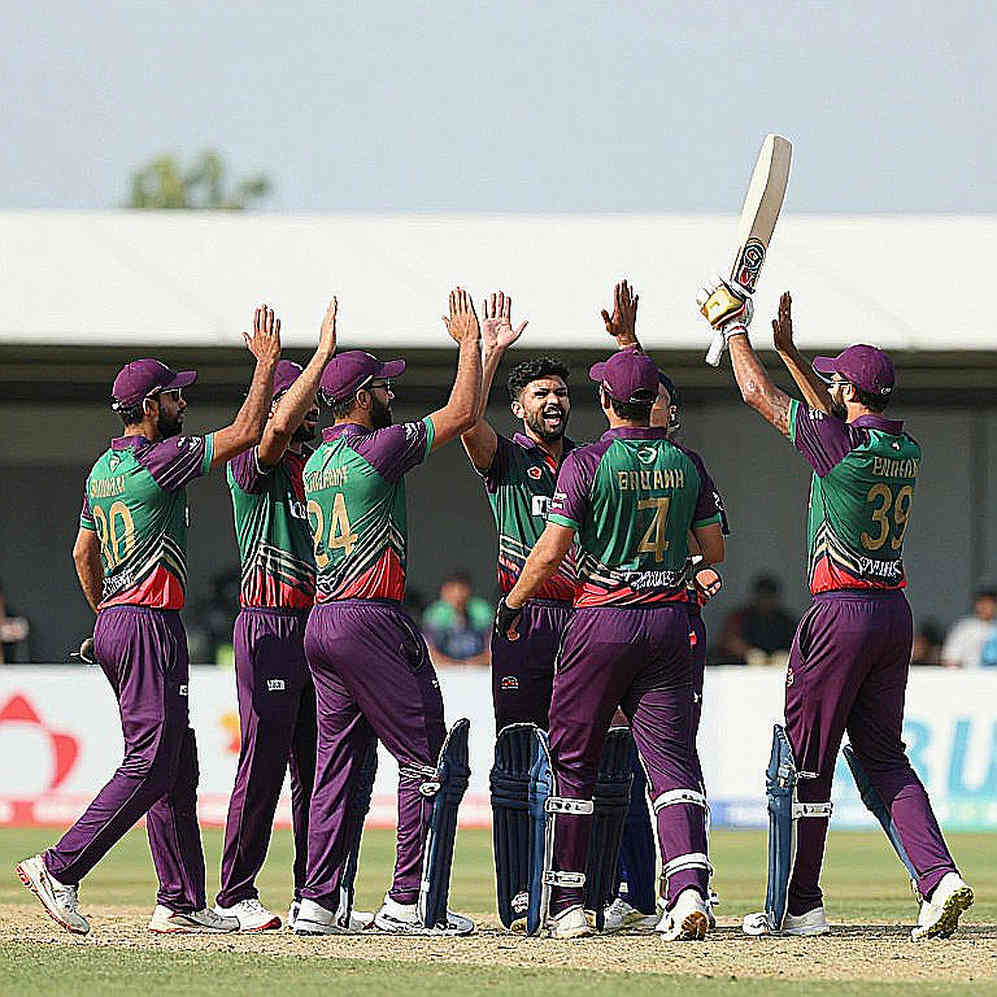
Those four numbers — ₹120 crore, ten buyers, six retentions, four overseas — are not trivia. They are the market's architecture. And in any market, architecture sets price, not product quality.
I learned that after I stopped playing. In 2026, a second ACL tear ended a Fulham U18 trial and left me with a blank spreadsheet. I coded all 64 matches of the Russia World Cup and all 169 goals, ignoring the Kylian Mbappe story everyone else was writing. Seventy-three goals came from set pieces or penalties. I have fixed definitions before kickoff ever since, because definitions written afterwards quietly reshape themselves to fit the narrative.
I stopped playing, so I started measuring what I could no longer feel. In an auction, the thing worth measuring is not the player. It is the market.
Core: two markets in one room
The biggest analytical error is treating the IPL auction as a single market. Two markets operate in the same room, and their pricing rules are completely different.
The first is Indian capped players. Supply here is near-static; the pool of India-qualified cricketers does not expand dramatically year on year. Demand rises whenever the purse rises, or whenever a new franchise is added. In 2026 both happened. Price in this market is therefore set by scarcity, not by performance.
The second market is overseas players. Supply is effectively infinite — anyone, anywhere, will take the call. But a quota is bolted on: eight per squad, four per XI. That quota decouples price from performance. A franchise has eight slots and fills them by role, not by ranking.
This two-market structure explains every oddity on the price list. At the 2026 auction, Kolkata Knight Riders bought Mitchell Starc for ₹24.75 crore and Sunrisers Hyderabad bought Pat Cummins for ₹20.5 crore. Around the same period Heinrich Klaasen was retained at ₹23 crore. None of those numbers says these are the three best T20 cricketers alive. They say these three roles were the scarcest on the board.
The captaincy premium
Pant's ₹27 crore raises a decomposition question: how much of it is batting, and how much is captaincy?
Transfer fees are narratives with a spreadsheet attached, and the spreadsheet usually arrives late. Lucknow wanted Pant for more than his strike rate. They needed a captain, a recognisable face, and a media presence. Those three assets do not come bundled often, so whoever bundles them carries a premium layer that his batting data cannot explain.
I call it the captaincy premium, and it is measurable. Six players crossed ₹23 crore at the 2026 auction; at least three of them have captained regularly at domestic or international level. Whether the premium converts into trophies is a different question, and the historical record on the most expensive captaincy purchases is not a strong endorsement. That is a hypothesis to test, not a conclusion to announce.
Retention removes supply before the market opens
The key to reading auction results is not on the auction table. It is in the paperwork filed two weeks earlier.
If every franchise pre-holds six players, roughly sixty players are removed before bidding starts — and they are usually the best names in specific roles: opener, finisher, death bowler, wicketkeeper. When an Indian wicketkeeper-batter then comes up, he is not the best of ten available. He is one of one, or one of two.
That is the single largest driver of price. In football, a club weak in one position can keep three or four names alive and negotiate. IPL retention deletes those alternatives in advance. The buyer stands in front of one name, and negotiation without alternatives is not negotiation. It is just price.
Here I run a mechanism audit rather than stopping at the number. Four or five ownership groups control multiple franchises or multiple leagues. Their information advantage is enormous: scouting networks, data teams, agent relationships. That should push the market toward efficiency. It doesn't, because the binding constraint is structural, not informational. Ten buyers in one room, each with a hard budget, do not converge on efficient prices. They converge on equilibrium prices. Efficiency and equilibrium are not the same thing.
Clocks, increments and manufactured scarcity
The mechanics generate price too. Every bid has a mandatory increment, and every lot has a clock. The clock creates decision pressure unrelated to cricket. The buyer stops asking what the player is worth and starts asking how much time is left.
Then comes the accelerated round, where unsold players return. Prices fall. A player unsold at ₹5 crore at noon can go for ₹3 crore at night. His ability has not changed between lunch and dinner. What changed is the only thing that ever changes in an auction: the buyers' remaining slots and remaining cash. That is proof that structure, not talent measurement, sets the number.
A second structural shift arrived in 2026 with the Impact Player rule. A team can now introduce a substitute from outside the XI. Arithmetically, that should depress the price of two-way all-rounders: a side no longer needs one player to cover two roles, because it can field a specialist and patch the gap with the Impact Player. Has the market adjusted? Partially. Auction pricing still carries a habitual all-rounder premium the playing rules no longer justify.
What this does not prove
I keep a mandatory section in my own work: which claim the evidence does not support.
First, that auction price correlates weakly with on-field output is something I am asserting, not demonstrating. Price and performance are generated simultaneously, and franchise success also depends on coaching, injuries, venues, tosses and scheduling. Explaining success from price alone is an experiment with no control group.
Second, I cannot call Pant's ₹27 crore an overpay, because I do not know what alternatives Lucknow had. If the alternative set was empty, ₹27 crore may be exactly fair. The only certain truth in this market is that a player nobody bids for is worth zero.
Contrarian angle: the market everyone watches and the market nobody does
My instinct is to look where the crowd isn't. Everyone is staring at ₹27 crore. The market is split across two ends, and the crowd occupies only one of them.
The ten most expensive names get discussed twice a year. But ten franchises buy roughly 200 players every season. Around 95 percent of transactions happen where no analysis reaches. I am not claiming there is profit in that 95 percent — I am claiming the opposite: the analysis of the top ten names is entertainment. The genuine analytical opportunity sits in the ₹10–40 lakh bracket, where a player's value is set not by his track record but by one scout's afternoon.
The market rewards stories until the data files a formal complaint. In 2026 Delhi Daredevils bought Yuvraj Singh for ₹16 crore, a record at the time. In 2026 Rajasthan Royals bought Chris Morris for ₹16.25 crore. In 2026 Punjab Kings bought Sam Curran for ₹18.5 crore. The numbers climb each year, but a record in one season creates no information on its own, because the entire budget is inflating alongside it. Real analysis begins when we ask whether a specific role's price has risen disproportionately to the total purse. If the data says yes, that is evidence of inefficiency.
One variable I have tracked for two years with almost no coverage is availability. Whether an overseas player can complete a full season is now the quietest and largest pricing input. England central contracts, international schedules, No Objection Certificate conditions — none of it is discussed on the auction floor, yet for a franchise it matters as much as strike rate. Price a bowler who plays 80 percent of matches the same as one who plays 40 percent and you have mispriced him, plainly.
An empty stadium is not silence; it is a control group for pressure. An empty auction slot is not silence either. It is a signal that supply exists in that role and the buyer will not bid up. Who stays quiet tells you more than the number on the screen.
Takeaway
Looking toward 2026, one question matters: will the IPL ever build a proper mid-season transfer window like football's? My suspicion is no, because the current inefficiency is profitable. A chaotic, single-night auction manufactures broadcast content and conversation, and that is the league's biggest product.
The owner who first moves his data team off the question "who is most expensive" and onto "which role is scarcest" may never write the biggest number on the board. He may lift the trophy instead.
I build models for the moments everyone else calls luck. That night in Jeddah was not luck. It was a predictable price, placed on a predictable shortage.